53 Technology Lane, Box 2, Conway, NH 03818

Helping to promote future inventors and entrepreneurs

Learn more about our engineering scholarship programs.
Contact Us

Engineering and Precision Machining Scholarship Programs

The Dearborn Foundation is committed to empowering the next generation of innovators and problem-solvers. Our engineering and precision machining scholarship programs offer financial support to exceptional U.S. students pursuing degrees in mechanical engineering, nuclear engineering, and precision machining.

Inspired by the vision of our founder, Mr. Howard K. Dearborn, we aim to strengthen the nation’s leadership in innovation and technology by fostering the educational paths of future engineers and precision machinists.

Helping Engineers and Inventors Reach Their Goals Since 1993

About The Dearborn Foundation

Founded in March 1993 by Howard K. Dearborn, a successful businessman and inventor, The Dearborn Foundation is a crucial resource for aspiring engineers and machinists nationwide. Over his remarkable 50-year career, Mr. Dearborn (1918-2013) designed and manufactured cutting-edge components for tanks, airplanes, space vehicles, nuclear submarines, nuclear reactors, medical equipment, deep-water drilling equipment, and more.

As a passionate inventor and entrepreneur, he recognized the need for skilled engineers and machinists to advance technological development and sustain the United States as a global leader in innovation.

Generous funding from Mr. Dearborn allows The Dearborn Foundation to provide lasting scholarships to qualifying U.S. students. His legacy ensures these scholarship programs remain accessible for years to come, creating opportunities in fields vital to the nation’s technological growth.

Scholarship Details

The Dearborn Foundation offers annual scholarships for qualifying students in two specialized areas:

Engineering: $10,000 per year (up to $40,000 for four years of undergraduate education).

Precision Machining: $3,000 per year.

The funds are awarded to help students excel academically and prepare for successful careers. Applicants must be U.S. citizens currently attending or accepted into a fully accredited college or university.

Participating Schools

Participating schools may include renowned institutions such as:

  • Cornell University
  • Rensselaer Polytechnic Institute
  • University of Maine
  • University of Massachusetts Lowell
  • University of New Hampshire
  • University of Vermont
  • Worcester Polytechnic Institute
  • Central Maine Community College (Precision Machining)
  • Bucknell University

Applicants are highly vetted to ensure scholarships are awarded to outstanding and qualified individuals.

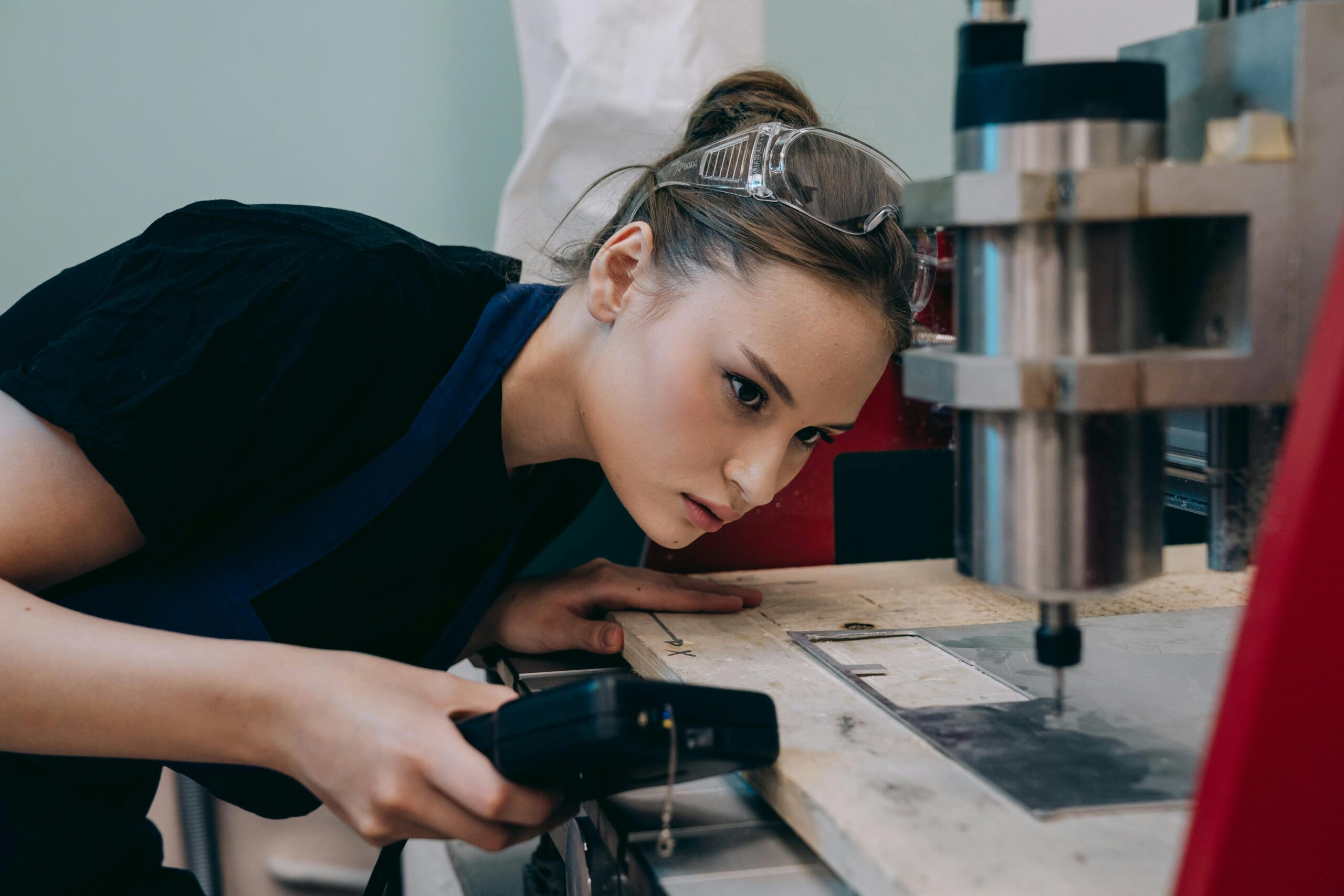
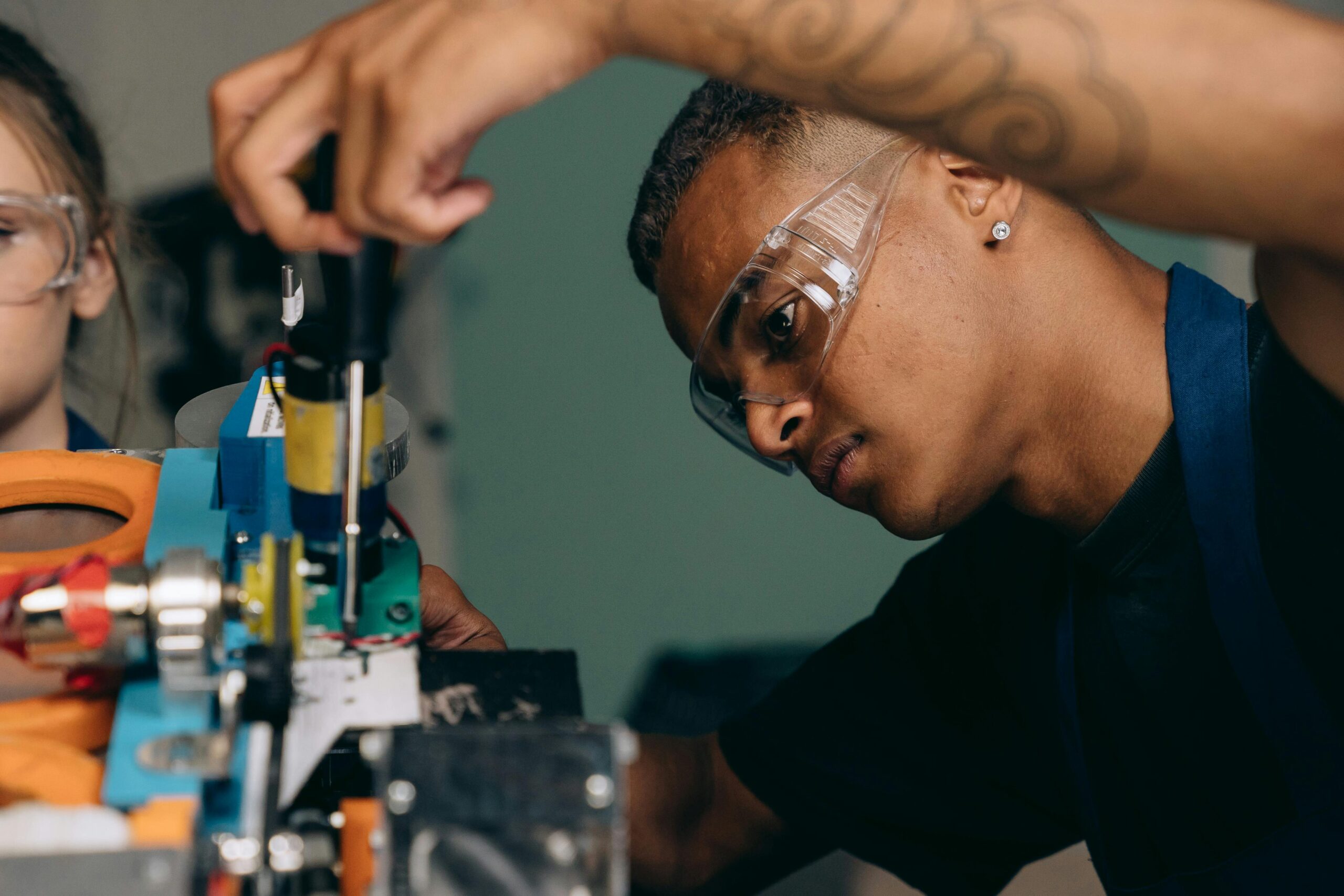
engineer, engineering, mechanical, mechanical engineering, workshop, engineer, engineer, engineer, engineer, engineering, engineering, engineering, engineering, engineering, mechanical engineering, mechanical engineering, mechanical engineering, mechanical engineering
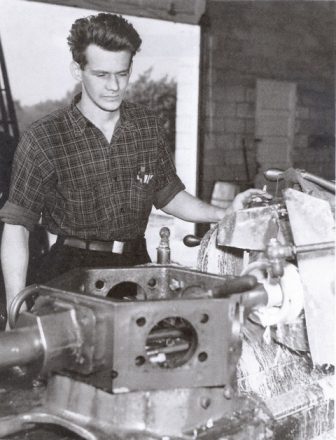
Howard Dearborn

About Howard K. Dearborn

Born on May 11, 1918, near Cleveland, OH, Howard K. Dearborn attended high school and one year at Case School of Applied Science. After being fired several times from his father’s machine shop, he borrowed $400 on his car and $1,000 from his uncle to start his own machining business in an old warehouse next to a railroad track. He hired a high school friend and designed and built unique, specialized machines. This is how the Howard Manufacturing Company of Berea, OH, began. Most of the products made were used for wartime equipment.

Howard and his family moved to Maine in the early 1960s where he made groundbreaking contributions in machine design and manufacturing. During that time, he established a second manufacturing plant, Dearborn Precision Tubular Products, in Fryeburg, ME, employing over 200 workers and manufacturing components for critical industries such as aerospace and medical technology. Howard also held patents for many of his inventions, underscoring his belief in the transformative power of engineering and precision machining.

Howard passed away at the age of 95 on July 21, 2013, but not without leaving his mark on the world. The Dearborn Foundation, funded by his two plants with highly specialized machines that he designed and built himself, is how his legacy lives on, supporting students who strive to apply scientific knowledge to real-world challenges.

Our Purpose

The Dearborn Foundation’s core mission is to advance education in physics, chemical engineering, electrical engineering, mechanical engineering, nuclear engineering, and precision machining. By providing scholarships to deserving U.S. citizens, we hope to inspire tomorrow’s inventors, engineers, and industry leaders. Whether you’re pursuing advances in nuclear energy, designing innovative machinery, or mastering the intricacies of precision machining, we’re here to make your educational journey possible.
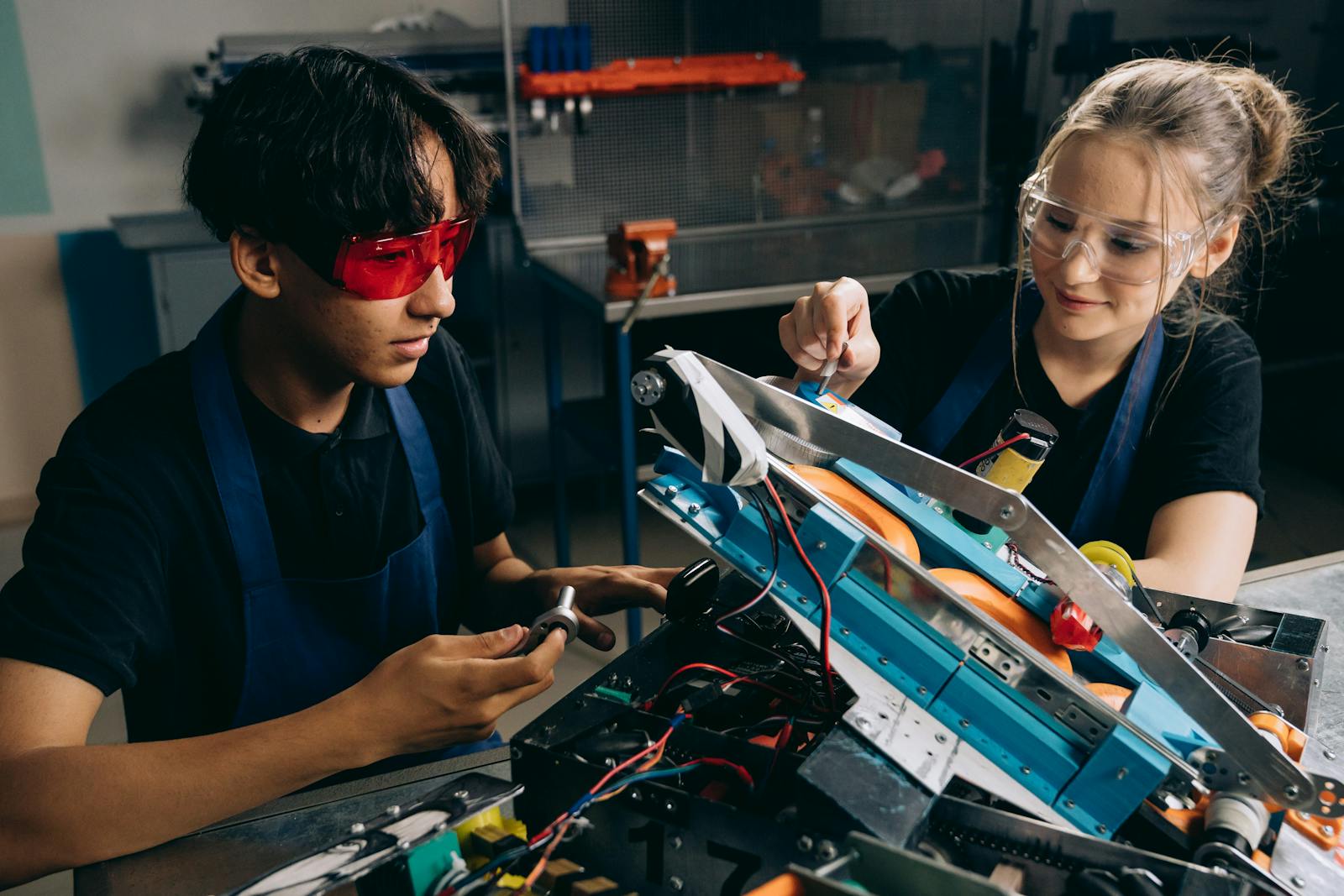
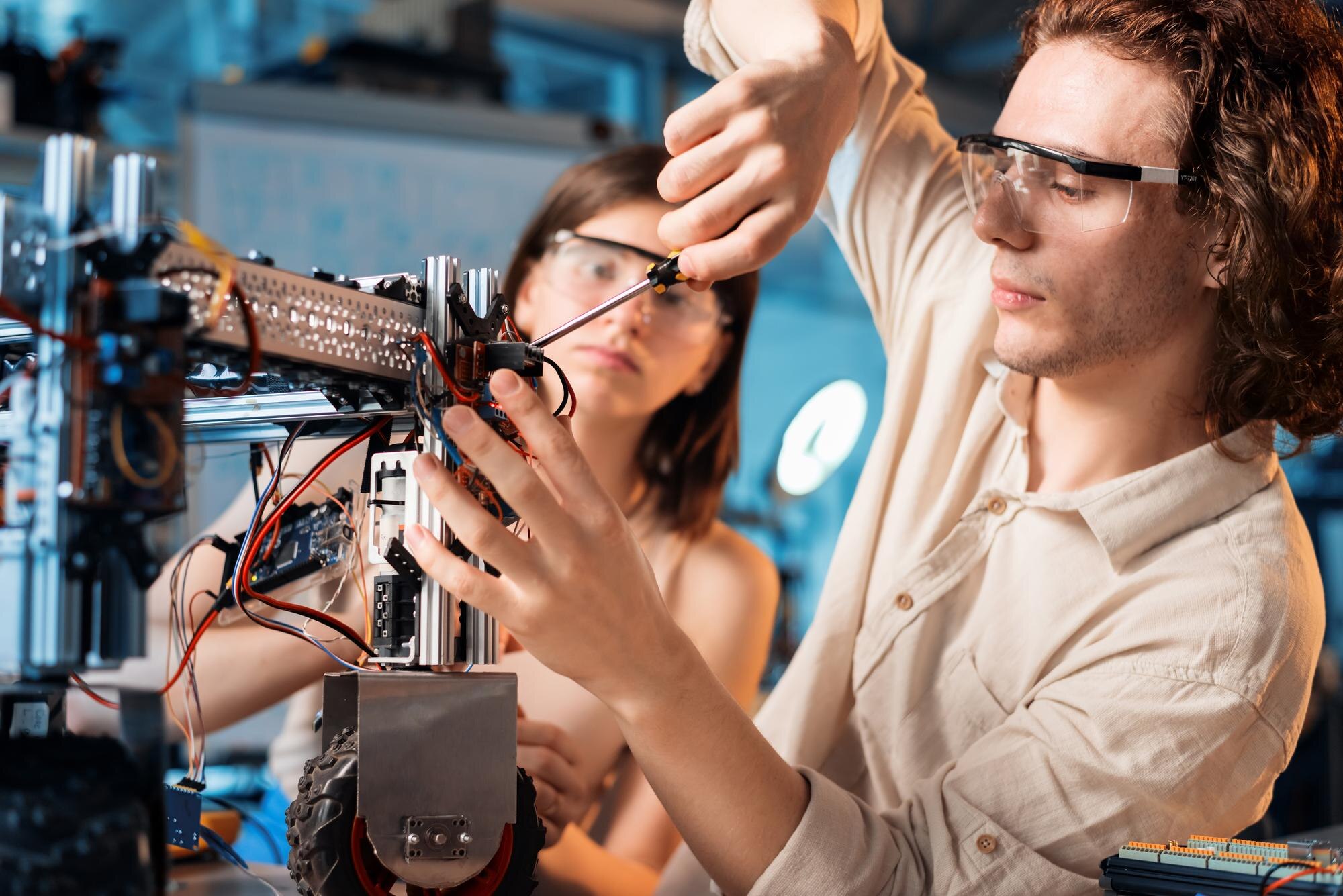
Two students work together on a robotics project in a workshop, wearing safety gear.
Robotics Laboratory

What Our Scholarship Recipients Say

"I am very grateful for the opportunities that you have given me through the Dearborn Scholarship. The classes that I have taken so far have only strengthened my aspirations to become a mechanical engineer. As of right now, my favorite class is my Engineering Graphics and CAD class; having the ability to create 3D objects in a matter of minutes allows for my creativity to be free. I am also enrolled in the honor college at UMaine. I'm not sure what I was really thinking the honor classes would entail, but they all appear to be more for liberal arts-driven people. With that said, I am thoroughly enjoying the class. The class is forcing me to read more literature than I would ever do on my own. The analysis of the texts also makes me think in a way that I wouldn't normally think of in my engineering classes. Outside of classes, I am trying my best to engage in on-campus activities. I have been playing intramural soccer, football, and frisbee. I have also joined the Sigma Phi Epsilon fraternity; seventy percent of the guys are mechanical engineers, and we are a dry house. The one club I would really like to do is SAE. I aspire to work in the automotive industry, and I think this would aid in refining what I exactly like to do in the industry and also give me meaningful connections. I have physics during the time that I would be meeting. I'm hoping next semester will work better for me. Looking into next year, I am also hoping to study abroad in Valencia, Spain for my fall semester. All of this would be a lot harder if it wasn't for your contribution to my education. I cannot thank you enough. Thank you."
"This semester has been filled with a lot of preparation for my final semester at RPI and my future post-graduation plans. As of right now, I have been interviewing with companies of very high caliber--including NVIDIA, Apple, Western Digital, and IBM--all for possible fulltime positions after graduating this upcoming Spring semester. I have also been proactive to apply for the M.S. co-terminal program hosted at RPI and am applying to M.S. and Ph.D. programs at different universities--including Stanford, MIT, Columbia, Harvard, and Penn. If selected for a full-time position, I plan to continue my education as a part-time student or work for a few years and gain a fellowship to attend graduate school. As for extracurriculars, I have maintained my positions as an undergraduate teaching assistant for two classes (Electrical Circuits and Embedded Control) and have maintained my position as a peer and private tutor for the learning center at RPI. I work a combined total of 11 hours a week from these two positions. Additionally, I recently took on a research position with faculty members that are developing an algorithm to help reconstruct corrupted synchronophasor data. I work a total of 9 hours a week in this position, bringing my total hours to a maximum of 20 per week. Each one of these experiences has blossomed my college experience because I have grown closer to the classes and professors that I care most about; and has allowed me to further interests in breakthrough technology for the future ahead. Along with paid extracurriculars, I am still an active brother of the Chi Phi Fraternity where I hold a position as the public relations chairman, and have been active in both Tau Beta Pi (Engineering Honors Society) and Eta Kappa Nu (Electrical Engineering Honors Society). Over the summer I took part in an internship with Sensata Technologies where I performed ASIC verification on their sensor ASICs. It was fun to work with the new products and platforms they are trying to develop for faster production and verification of units. I had a great time this year so far, and I am very appreciative of the Dearborn Foundation for their generosity with their scholarships. I would love to continue this relationship we have as it has helped me achieve so much without a larger financial burden on my college experience!"
"Thank you so much for your financial support these last couple years. I recognize that my past and future accomplishments are built on your trust in me. I'll do my best to continue performing science in service of society. Coursework wise, I've been working on a core chemical engineering graduate class, Transport Phenomena, supplemented by a data science class on machine learning in the context of physical science applications. This upcoming fall, I'm planning to enroll in a PhD program either continuing at WPI, or at Northeastern down the road in Boston. I was very fortunate to receive the National Science Foundation Graduate Research Fellowship, which will support 3 years of doctoral work. I'm hoping to propose a project of my own to pursue as part of my PhD thesis. Thank you again for enabling all of this. Your work is appreciated!"